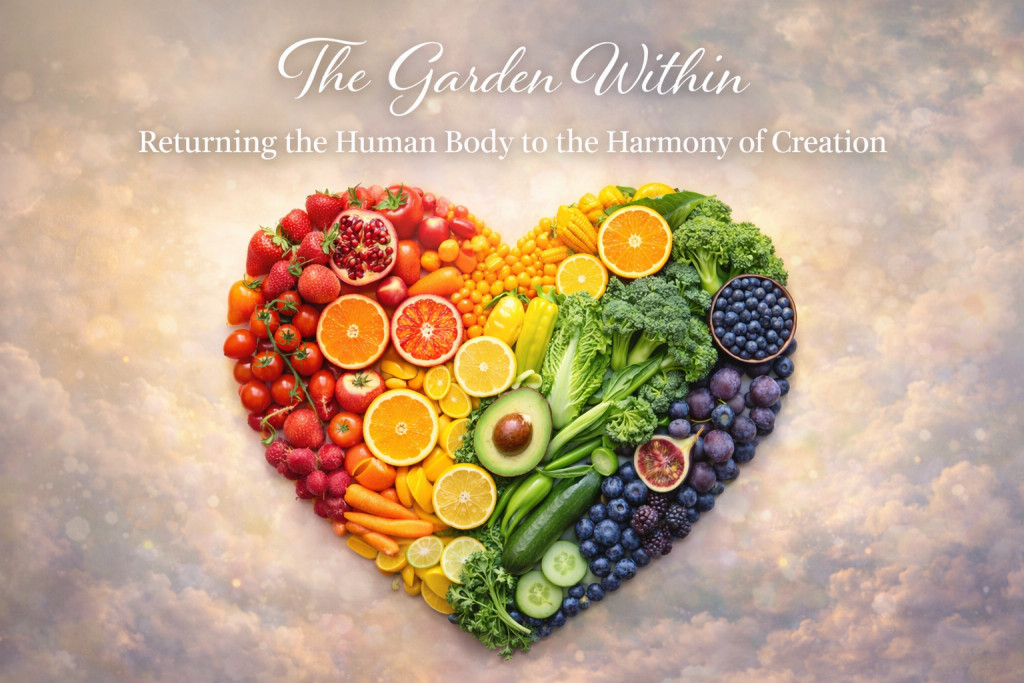
At the beginning of the biblical story of creation, a quiet but profound instruction is given regarding nourishment. The passage often referenced from the Book of Genesis describes the original relationship between humans, animals, and the Earth. It reads:
“Genesis 1:29-31 details God providing seed-bearing plants and fruit trees as food for humanity, and green plants for animals, establishing a peaceful, plant-based diet in creation. It emphasizes divine provision, the original harmony of life, and concludes with God declaring all creation “very good” at the end of the sixth day.
Key Aspects of the Meaning:
Divine Provision (v. 29-30): God ensures all living creatures have sustenance, highlighting His role as provider.
Original Diet (v. 29): Humanity is given a vegan diet (plants, seeds, fruit).
Peaceful Kingdom (v. 30): Animals and humans exist without killing each other for food, suggesting an initial state of harmony.
“Very Good” (v. 31): After finalizing creation, God pronounces it perfect and satisfying, indicating the absence of sin or decay.
Creator’s Care: It shows God’s love for his creation, ensuring that the needs of both humans and animals are met.
This passage highlights the peaceful, orderly, and well-provided nature of the world before the fall.”
This description invites reflection on the relationship between food, life, and the deeper harmony of existence. Within this framework, nourishment is not merely a biological process but part of a larger web of life that includes compassion, balance, and reverence for creation.
The Energetic Dimension of Food
Human beings do not consume only nutrients; we also encounter the conditions under which food was produced. When animals experience fear, confinement, and suffering, their bodies undergo profound physiological stress. Hormones such as cortisol and adrenaline surge through their systems. From a biological perspective, these compounds remain within the tissues that humans later consume.
From a symbolic or energetic perspective, many spiritual traditions suggest that the emotional environment surrounding food influences the one who eats it. When food originates from distress or violence, it may subtly affect emotional states, contributing to agitation, heaviness, or disconnection from inner peace.
By contrast, plant foods arise through processes of growth, sunlight, water, and soil. Seeds, fruits, vegetables, and grains emerge from the cooperative rhythms of nature rather than the interruption of life. This difference shapes not only the nutritional profile of the food but also the emotional and ethical relationship humans have with their nourishment.
The Body as a System of Harmony
Modern nutritional science increasingly recognizes the benefits of plant-centered diets. Diets rich in whole plant foods tend to support digestive health, cardiovascular function, and metabolic balance. Fiber nourishes beneficial gut bacteria, antioxidants protect cells from damage, and plant phytonutrients support the body’s natural repair processes.
When diets rely heavily on processed animal products, the digestive system must work harder to metabolize dense proteins, saturated fats, and compounds formed during high-heat cooking. Over time, this can strain the gut microbiome and inflammatory pathways.
From a holistic perspective, the digestive system is not merely a mechanical processor of food. It is closely connected to the nervous system and emotional state. The gut contains millions of neurons and produces neurotransmitters that influence mood and cognition. In this sense, what we eat shapes not only the body but also the mind.
Consciousness and Nourishment
Some philosophical frameworks, including harmonic models of biology and consciousness, suggest that living systems function through patterns of coherence and resonance. Health emerges when biological processes remain balanced and synchronized.
Within this view, nourishment that arises from living ecosystems—sunlight captured through plants and transformed into nutrients—may support greater coherence in the body. Foods closer to their natural state often contain complex biochemical patterns that evolved alongside human physiology.
Whether interpreted scientifically, spiritually, or symbolically, the principle remains simple: food influences the quality of our inner experience.
“We Are What We Eat”
The phrase “we are what we eat” expresses a biological truth. The tissues of the body are literally built from the substances we ingest. Every cell membrane, enzyme, and hormone originates from molecules provided through food.
Yet the phrase also carries ethical and psychological meaning. Food choices can reflect values such as compassion, stewardship of the Earth, and care for one’s own well-being.
Recognizing this connection encourages a more mindful relationship with nourishment.
Practical Techniques for Returning to a Natural State
Increase Whole Plant Foods
Gradually introduce more fruits, vegetables, legumes, whole grains, nuts, and seeds into daily meals. These foods provide essential nutrients and fiber that support digestive balance.
Choose Living, Unprocessed Ingredients
Foods closer to their natural state retain their original nutrient structures. Fresh produce, whole grains, and minimally processed foods nourish the body more effectively than highly refined products.
Practice Mindful Eating
Eating slowly and with gratitude helps the body digest more efficiently. Mindfulness allows the nervous system to shift into a relaxed state that supports optimal digestion.
Learn Compassionate Food Sourcing
Choosing foods that align with ethical values can create a sense of coherence between beliefs and actions. Many people find that compassionate choices bring emotional clarity and peace.
Reconnect with Nature
Growing herbs, vegetables, or fruit—even in small spaces—can deepen appreciation for the living systems that sustain life. This reconnection often shifts perspectives about food and nourishment.
A Return to Harmony
The message contained within the early chapters of Genesis can be understood not as a rigid rule but as an invitation to reflect on humanity’s relationship with the living world. The vision presented is one of harmony: humans, animals, and the Earth sustained without harm.
Whether interpreted spiritually, ethically, or scientifically, the principle remains relevant today. Food has the power to shape health, emotional balance, and the quality of human connection to nature.
When nourishment aligns with compassion and natural processes, the body often responds with renewed vitality. In this sense, returning to foods that arise peacefully from the Earth may be one way of rediscovering the quiet harmony described at the beginning of the human story.