The skin often speaks in whispers before the body forms words.
Dryness, subtle discoloration, or white spots are not merely surface events—they can reflect deeper patterns within the system.
Skin barrier imbalance (very common)
Nutritional or hydration factors
Environmental exposure
Possible fungal or pigment-related conditions
And in some frameworks, internal organ patterns such as liver imbalance
Rather than attributing everything to a single source, it is more stabilizing to view the body as an interconnected system seeking balance.
Is the Liver the Cause of Skin Dryness?
In modern medicine, dry skin and white spots are more commonly linked to:
Dehydration or impaired skin barrier
Conditions like pityriasis alba, fungal infections, or vitiligo
Nutrient deficiencies (e.g., essential fatty acids, vitamins)
In Chinese medicine, the perspective is more functional:
The liver governs the smooth flow of Qi and blood
When flow is disrupted, the skin may become dry, uneven, or reactive
This does not mean “liver damage” in a clinical sense.
Rather, it reflects a pattern of internal imbalance—often involving stress, stagnation, or dietary load.
So the relationship is not linear causation, but interconnected influence.
Glutathione: The Body’s Inner Guardian
Glutathione is often described as one of the body’s most important antioxidants.
It is composed of three amino acids:
Glycine
Cysteine
Glutamic acid
But beyond its chemistry, its role can be understood more simply:
It helps the body maintain internal clarity.
Why Glutathione Matters
1. Protection Against Oxidative Stress
Every day, the body is exposed to:
Pollution
Processed foods
Stress
Natural metabolic byproducts
These create “oxidative stress”—a form of internal wear.
Glutathione helps neutralize this, supporting:
Cellular health
Slower aging processes
Reduced inflammation
2. Liver Support and Detoxification
The liver uses glutathione as a key molecule to:
Bind toxins
Make them water-soluble
Safely eliminate them
This is where the earlier connection becomes clearer:
If detox pathways are burdened, glutathione demand increases.
3. Skin Health and Pigmentation
Glutathione is often associated with:
Brightening skin tone
Reducing oxidative damage in skin cells
It may influence melanin production, but this effect varies and is not fully consistent across individuals.
Rather than viewing it as a “whitening agent,” it is more grounded to see it as:
a supporter of skin clarity and resilience.
4. Immune and Nervous System Support
Glutathione also contributes to:
Immune regulation
Protection of nerve cells
Recovery from stress
A Gentle Reality Check on Supplements
There is a growing trend toward glutathione supplementation.
But the evidence is nuanced:
Oral absorption can be inconsistent
The body often prefers to build its own glutathione rather than receive it directly
Intravenous forms are used medically, but are not typically necessary for general wellness
So the question becomes:
How can the body be supported to produce its own glutathione effectively?
Natural Ways to Support Glutathione Production
Rather than focusing only on supplements, consider the upstream support.
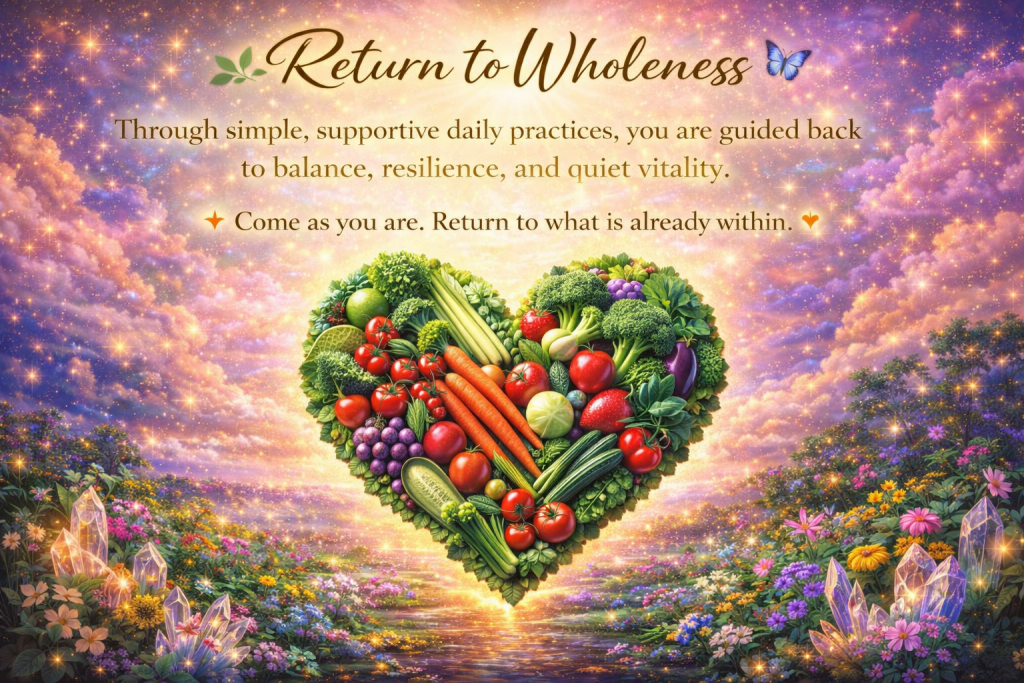
1. Vegetables That Support Glutathione
Broccoli
Kale
Brussels sprouts
Cabbage
Cauliflower
These are rich in sulfur compounds that help the body produce glutathione.
2. Fruits That Contribute
Avocado
Oranges
Strawberries
Tomatoes
Spinach (technically a leafy green, but often grouped here)
These provide vitamin C and other antioxidants that recycle and preserve glutathione.
3. Key Nutrients for Production
The body needs building blocks:
Sulfur (garlic, onions)
Protein (for amino acids)
Selenium (Brazil nuts, seeds)
Without these, supplementation alone may be less effective.
If Considering Supplements: What to Know
If you choose to explore supplementation, these forms are often discussed:
Liposomal glutathione – designed for better absorption
N-acetylcysteine (NAC) – supports the body’s own production
Alpha-lipoic acid – helps recycle glutathione
Among these, NAC is often considered more reliable because it provides a key precursor.
Still, supplementation is best approached:
Gently
With awareness of your body’s response
Ideally with professional guidance if symptoms persist
Returning to the Skin
The skin may not be asking for a single solution, but for a rebalancing of inputs:
Hydration
Healthy fats
Reduced inflammatory load
Emotional regulation
Nutrient density
Glutathione is one piece of a larger pattern.
Closing Reflection
The body rarely speaks in isolation; it speaks through symptoms.
Dryness, discoloration, fatigue, or irritation—these are often signals of subtle imbalance rather than failure.
Instead of asking:
“Which supplement will fix this?”
A quieter question may serve more deeply:
“What conditions does my body need in order to restore its own balance?”
A reflection of the body’s capacity to protect and renew itself.