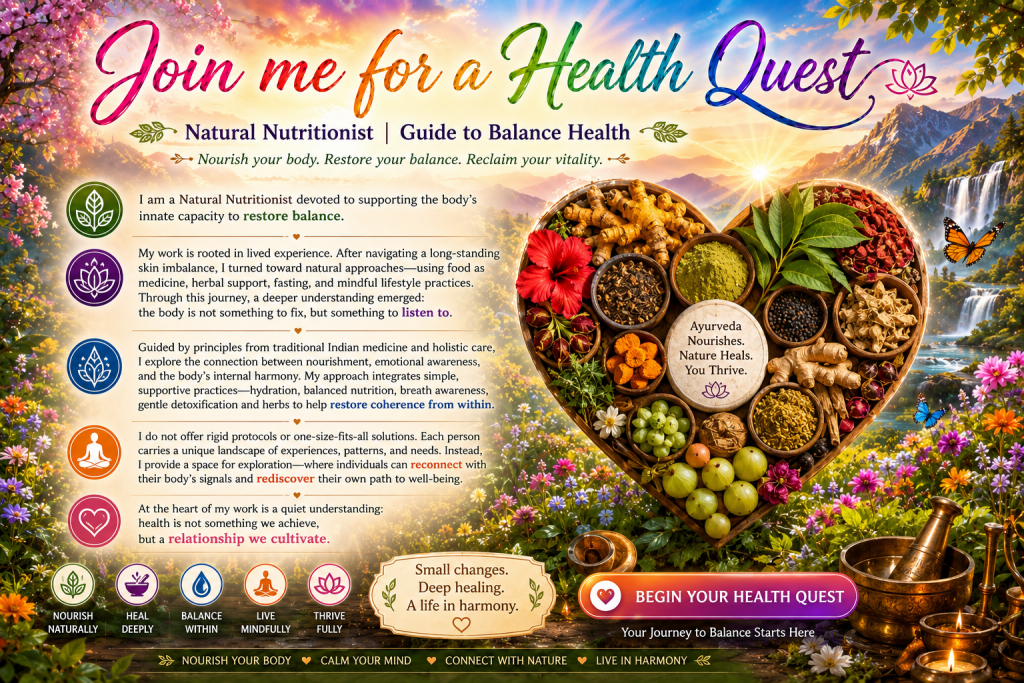
🌿 How Ancient Natural Medicine Can Support Our Health Today 🌿
For most of human history, medicine was not confined to hospitals, laboratories, or pharmaceutical companies. Healing was woven into everyday life through nature, community knowledge, and the wisdom of traditional practices. Long before modern medicine emerged, societies across the world relied on natural remedies, lifestyle practices, and preventative care to maintain health.
Today, as many people search for deeper approaches to wellness, interest in ancient healing traditions is returning. While modern medicine has brought extraordinary life-saving advances, the holistic understanding of health that existed in earlier cultures still offers valuable insight for our time.
A Time When Medicine Was Diverse
Before the early 1900s, healthcare was not controlled by a single dominant system. Instead, multiple healing traditions existed side by side. Communities often relied on herbalists, midwives, traditional healers, homeopaths, and physicians trained in various schools of medicine.
People used plant-based remedies, natural therapies, and simple lifestyle practices to maintain health. Families often passed down knowledge of herbs, food preparation, and preventative care through generations.
This diversity allowed individuals to choose approaches that aligned with their beliefs, environment, and personal needs. Healing was not only about treating illness; it was about maintaining balance in daily life.
The Holistic Focus of Ancient Medicine
Ancient systems of healing focused on the whole person rather than isolated symptoms. Health was viewed as a balance between the body, mind, environment, and lifestyle.
Practices often emphasized:
Nutrition and natural foods
Connection to nature and environment
Adequate rest and restoration
Herbal remedies and plant medicine
Preventative care and balance
Rather than trying to suppress symptoms immediately, many traditional systems worked to strengthen the body so it could heal itself over time.
These approaches were often slower and less standardized, but they aimed to address underlying imbalances rather than simply masking discomfort.
The Turning Point in Modern Medicine
During the late 19th and early 20th centuries, medicine underwent a major transformation. Scientific research expanded rapidly, and new discoveries revolutionized healthcare.
Key developments included:
The proof of germ theory, which identified microorganisms as causes of disease
Advances in chemistry and pharmacology have allowed drugs to be manufactured at large scale
Improved surgical techniques and anesthesia
The establishment of standardized medical education
These changes dramatically improved survival rates and made modern medical care safer and more reliable. Antibiotics and emergency medicine have saved countless lives.
However, as medicine became more institutionalized and specialized, some elements of traditional healing began to fade from mainstream healthcare.
What Modern Medicine Gained
Modern medicine brought many undeniable benefits:
Safer and more effective surgery
Life-saving antibiotics and vaccines
Advanced diagnostic tools
Evidence-based treatments
Increased life expectancy
These achievements represent one of humanity’s greatest scientific successes.
What Traditional Medicine Reminds Us
At the same time, many people feel that certain aspects of healthcare have become more focused on treating diseases than nurturing long-term health.
Traditional healing systems remind us of important principles:
The body has natural healing abilities
Prevention is often more powerful than treatment
Lifestyle choices strongly influence health
Nutrition and environment matter deeply
Emotional and mental well-being affect physical health
Rather than rejecting modern medicine, these insights encourage a more balanced approach—one that combines scientific care with holistic wellness.
How We Can Apply Ancient Wisdom Today
Ancient healing traditions can still play a supportive role in modern life when used responsibly. Here are several ways to integrate timeless wellness practices into daily routines.
1. Nourish the Body with Whole Foods
Traditional cultures relied on natural, unprocessed foods. Fresh fruits, vegetables, herbs, whole grains, and clean water formed the foundation of health.
Choosing nutrient-dense foods and reducing highly processed products can support the body’s natural balance.
2. Use Herbs with Care and Knowledge
Herbal medicine has been used for thousands of years. Plants such as ginger, garlic, chamomile, turmeric, and peppermint have long histories in traditional healing.
However, herbs should be used responsibly and, when necessary, with guidance from trained practitioners—especially when combined with medications.
3. Support Rest and Natural Rhythms
Ancient cultures understood the importance of sleep, sunlight, and daily rhythms. Regular rest, time outdoors, and balanced work schedules help regulate the body’s natural systems.
Even small changes—like reducing screen time before sleep or spending time in nature—can support overall well-being.
4. Encourage Preventive Care
Prevention was central to traditional medicine. Simple habits such as staying hydrated, eating nourishing foods, moving the body regularly, and managing stress can help maintain health long before illness appears.
5. Build Community and Compassion
In many traditional societies, healing was communal. Family members, elders, and healers supported individuals through illness and recovery.
Today, offering kindness, listening, and emotional support can be just as important as physical remedies.
🌿 A Balanced Future for Healing 🌿
The conversation between ancient wisdom and modern science does not have to be a conflict. Instead, it can be a partnership.
Modern medicine excels at treating acute illness and emergencies, while traditional knowledge often offers guidance on maintaining long-term balance and prevention.
When these perspectives are combined thoughtfully and responsibly, they can create a more complete vision of health—one that honors both scientific progress and the enduring wisdom of nature.
In the end, healing may not come from choosing one system over another, but from remembering that health is a dynamic relationship between body, environment, knowledge, and care. 🌿