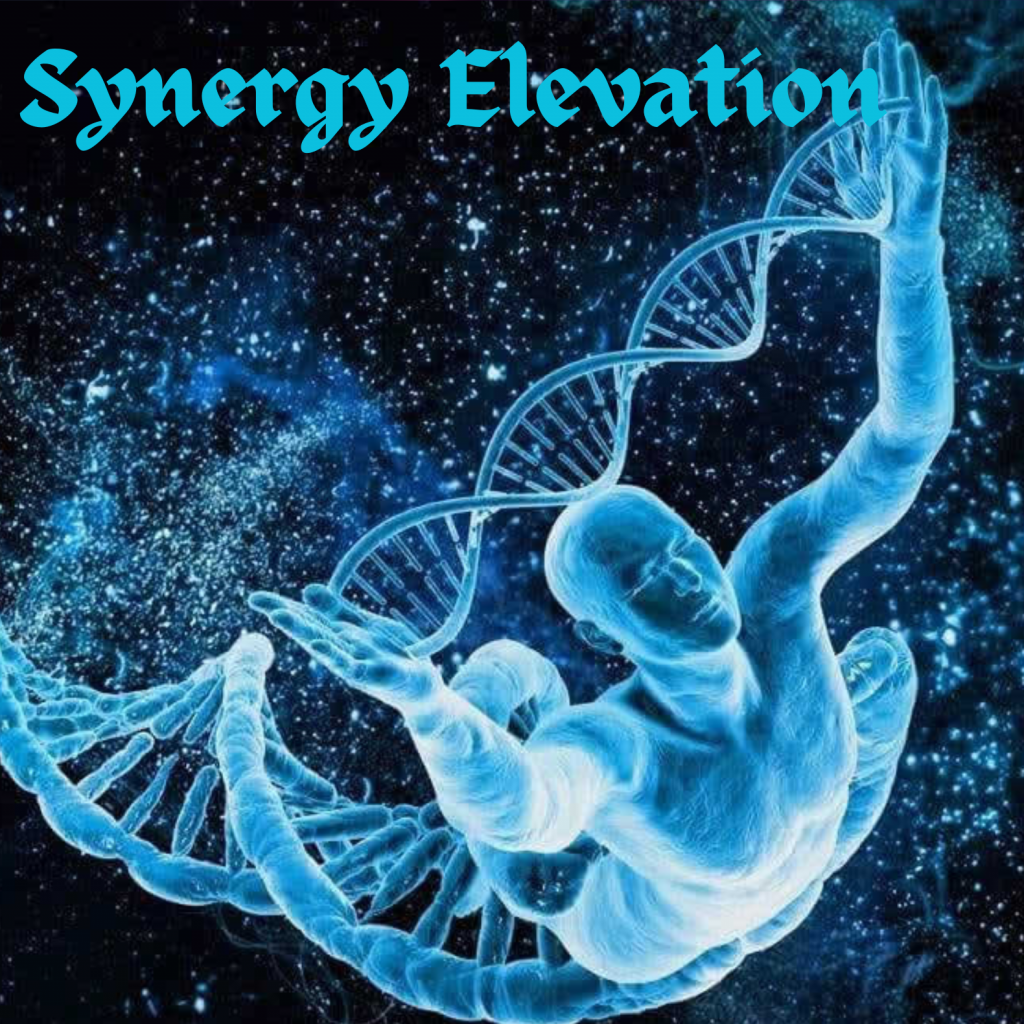
Life thrives when systems remain balanced—physically, emotionally, and mentally.
For centuries, humanity has believed that aging is an unavoidable decline written into our biology. We are taught that the body slowly wears down, that energy fades with time, and that the end of life is simply a matter of biological inevitability.
Yet modern science and ancient wisdom both hint at a more nuanced story.
The human body is not a static machine. It is a dynamic system of renewal. Cells constantly divide, repair, and replace themselves. Skin regenerates, blood renews, and tissues continually repair microscopic damage. At every moment the body is actively restoring balance.
In this sense, life is not defined by deterioration but by continuous regeneration.
Our DNA—the molecular blueprint within every cell—is not merely a rigid program determining decline. Instead, it functions more like a responsive library of possibilities. Genes can be activated or silenced depending on the environment, nutrition, emotional state, and lifestyle. This field of research, known as epigenetics, shows that our daily choices influence how genetic instructions are expressed.
In other words, our biology listens to how we live.
Ancient cultures understood this long before modern genetics. Traditional healing systems—from Chinese medicine to Ayurvedic practice—taught that the body thrives when energy, emotion, and environment remain in harmony. Illness, in their view, often emerges when imbalance persists.
The same principle appears in many modern scientific models of health: coherence promotes vitality, while chronic stress disrupts it.
When fear, anger, or unresolved grief dominate our inner world, the body shifts into survival mode. Stress hormones increase, inflammation rises, and the nervous system becomes dysregulated. Over time, these conditions can influence cellular repair processes and weaken resilience.
Conversely, when a person cultivates calm awareness, nourishing relationships, and healthy habits, the body receives signals of safety and stability. Under these conditions, repair systems function more effectively.
This is where the deeper message of “natural healing” emerges. Healing is rarely a single event or remedy. It is the gradual restoration of balance across multiple layers of life—physical, emotional, mental, and social.
Ancient wisdom traditions developed many practices designed to support this balance.
Breath practices were used to calm the nervous system and stabilize attention. Slow, rhythmic breathing activates the parasympathetic nervous system—the body’s natural repair mode.
Meditation and contemplative stillness were used to quiet mental turbulence. When the mind becomes less reactive, stress signals in the body often decrease.
Movement practices such as yoga, tai chi, and qigong were designed to gently stimulate circulation and energy flow while maintaining relaxation.
Nature immersion was also considered medicine. Spending time in forests, near water, or under open sky reduces stress hormones and improves mood and immune response.
Equally important was emotional healing. Ancient teachings consistently emphasized forgiveness, compassion, and gratitude—not merely as moral ideals but as conditions that lighten the burden carried by the heart and mind.
In this sense, healing our “DNA” does not mean rewriting the genetic code. Rather, it means creating the internal and external conditions in which our biology can function optimally.
When we nourish the body with clean food, pure water, restorative sleep, and meaningful connection, we support its natural intelligence.
When we release long-held emotional tensions and cultivate peace within ourselves, we reduce the signals that push the body into chronic stress.
And when we remember that life is a process of continual renewal, we begin to live differently—less from fear of decline and more from trust in the body’s remarkable capacity to adapt and repair.
Aging may remain a natural part of life. But vitality, resilience, and well-being are not fixed limits determined only by the passing of years.
They are influenced by how we think, how we live, and how deeply we align with the rhythms of life itself.
The human body is not simply counting time.
It is constantly listening, responding, and renewing.
And in that quiet, ongoing renewal lies one of life’s most profound forms of healing.