
如何在30天內重新恢復自然能量、消化與身心平衡
🌿 為什麼你總是感到疲憊、沒精神?🌿 🌙 你不是「懶」或「不夠努力」 如果你經常有以下狀況:
如何在30天內重新恢復自然能量、消化與身心平衡 Read More »
🌿 為什麼你總是感到疲憊、沒精神?🌿 🌙 你不是「懶」或「不夠努力」 如果你經常有以下狀況:
如何在30天內重新恢復自然能量、消化與身心平衡 Read More »
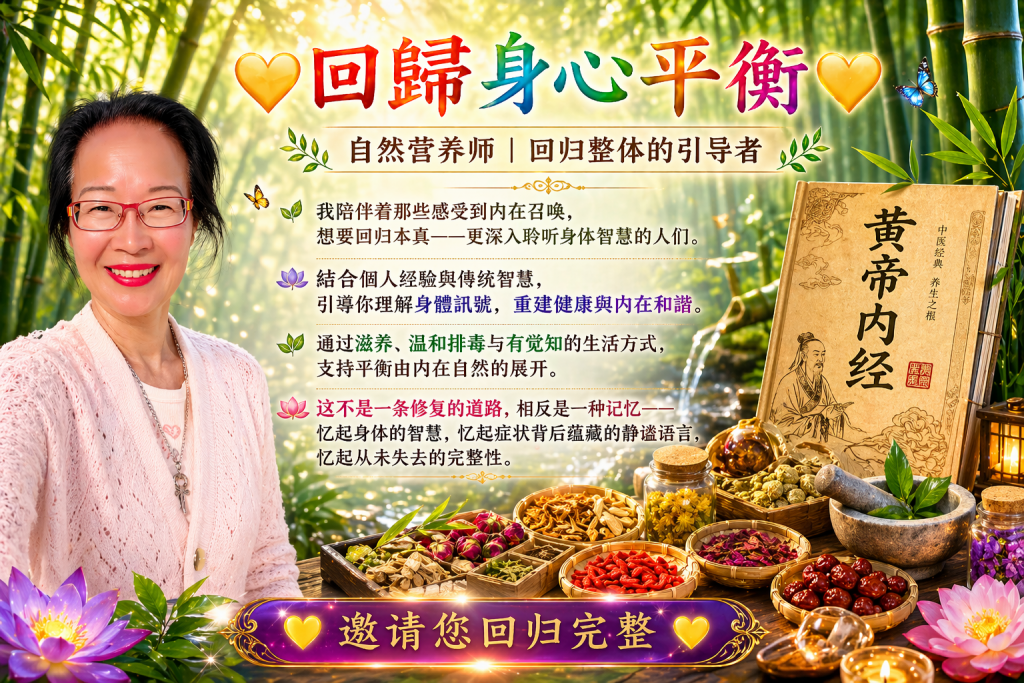
🌏 一門流傳千年的生命醫學 🌏 中草藥的應用,已有超過三千年的歷史。這門智慧源於對自然的細緻觀察、對生命經驗的體悟,以及對天地運行規律的深刻理解。 早在《黃帝內經》中,便提出了整體觀的醫學思想——人體並非孤立存在,而是與四時更替、自然環境及宇宙運行息息相連。
回歸平衡:三千年草本智慧,啟動現代療癒之道 Read More »
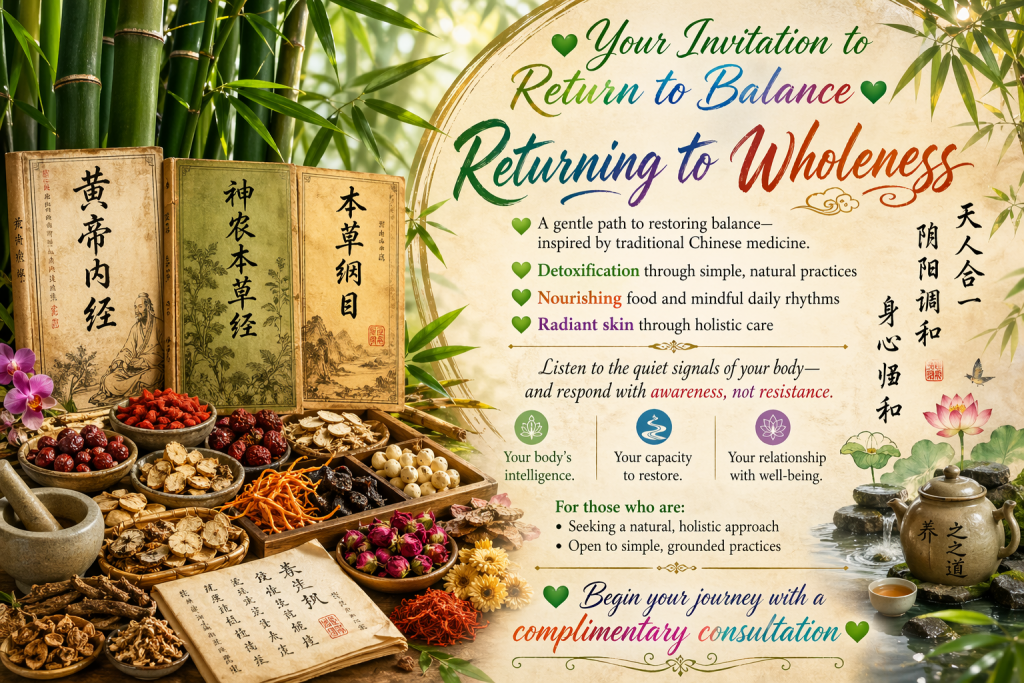
🌏 A Living Tradition of Healing 🌏 For over three millennia, Chinese herbal medicine has evolved through careful observation, lived experience, and deep respect for nature’s rhythms. Rooted in early classical texts such as the 《黄帝内经》 (Yellow Emperor’s Inner Canon), this tradition views the human body not as an isolated system, but as an integrated
Returning to Balance: 3,000 Years of Herbal Wisdom for Modern Healing Read More »

In the search for health, many people look for a single cause and a single solution. Yet both classical wisdom and modern science point toward a different reality: the body functions as an interconnected system, and healing emerges through integration, not extremes. Traditional Chinese medicine describes patterns such as Qi stagnation, blood stasis, toxic heat,
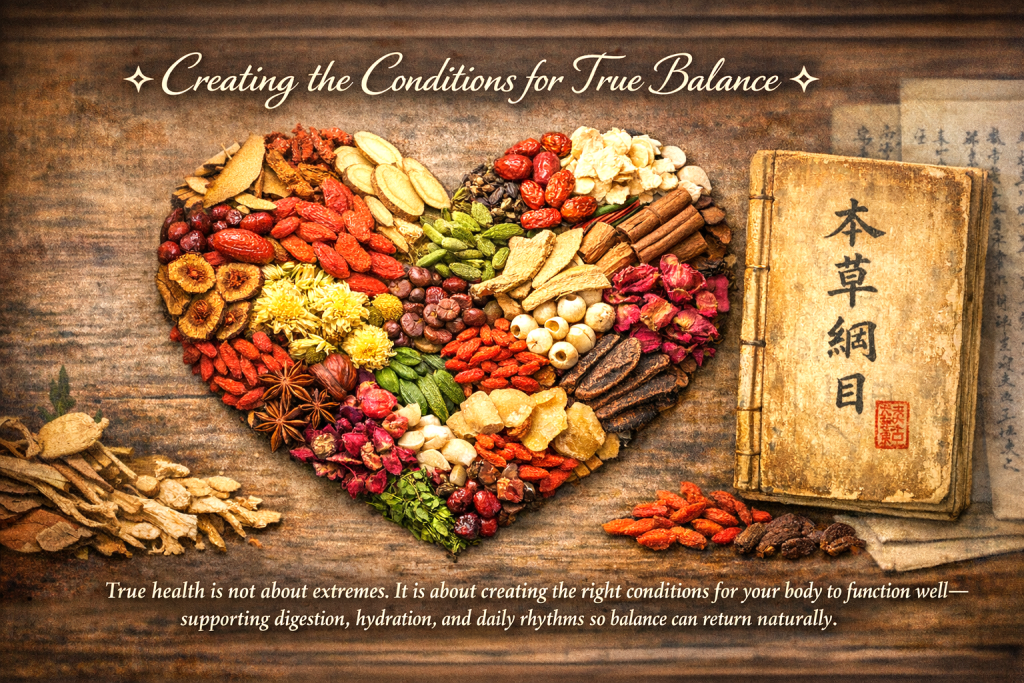
Across different medical traditions, one principle quietly repeats: health is not maintained by a single intervention, but by the relationship between internal regulation and external support. Classical Chinese medicine expresses this through two complementary lenses. The Huangdi Neijing emphasizes internal cultivation—regulating breath, stabilizing emotions, and aligning daily life with natural rhythms. The Bencao Gangmu, in
Inner Regulation, Outer Nourishment: A Balanced Path to Restoring Health Read More »
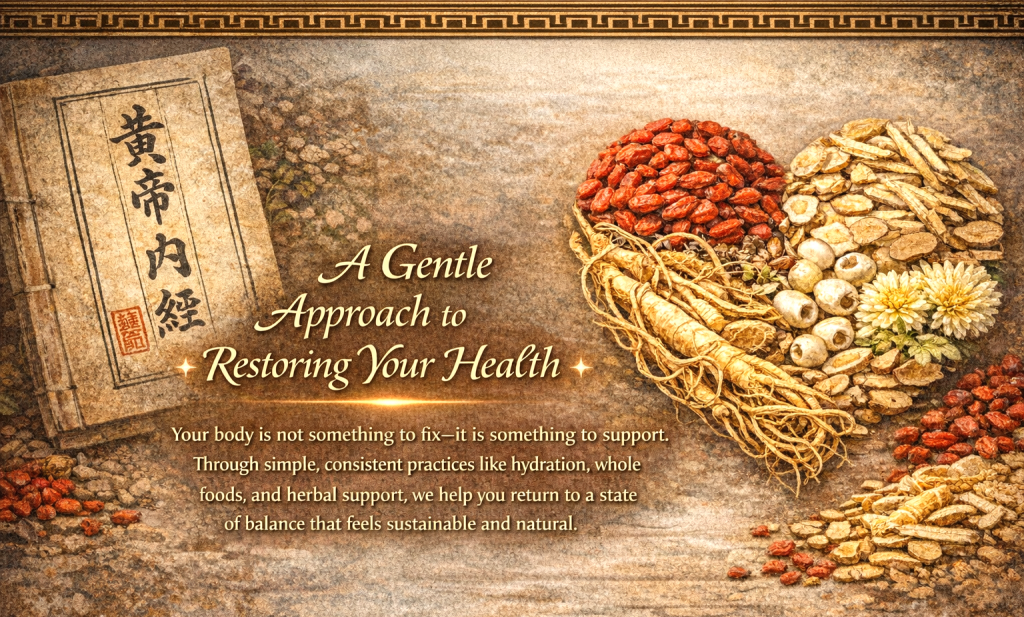
“Mouth bitterness during awakening” can be interpreted in a symbolic or spiritual way—but in most cases, it has clear physiological explanations. Grounding here prevents confusion. 1. Why does the mouth feel bitter (especially upon waking)? From a medical and physiological perspective, common causes include: How Traditional Chinese Medicine interprets it In the framework of Huangdi
A bitter taste in the mouth: A path from inner imbalance to daily harmony Read More »
在人類不同的醫學傳統之中,有一個安靜而反覆出現的原則: 健康,並非來自單一方法,而是來自內在調節與外在滋養之間的關係。 中國古代醫學,透過兩部經典展現了這種互補的視角。《黃帝內經》重在內在修養——調氣、調心、順應自然節律;《本草綱目》則著重外在補養——以藥物、飲食與環境來支持身體功能。
內調外養:一條回歸身心平衡的整合之道 Read More »
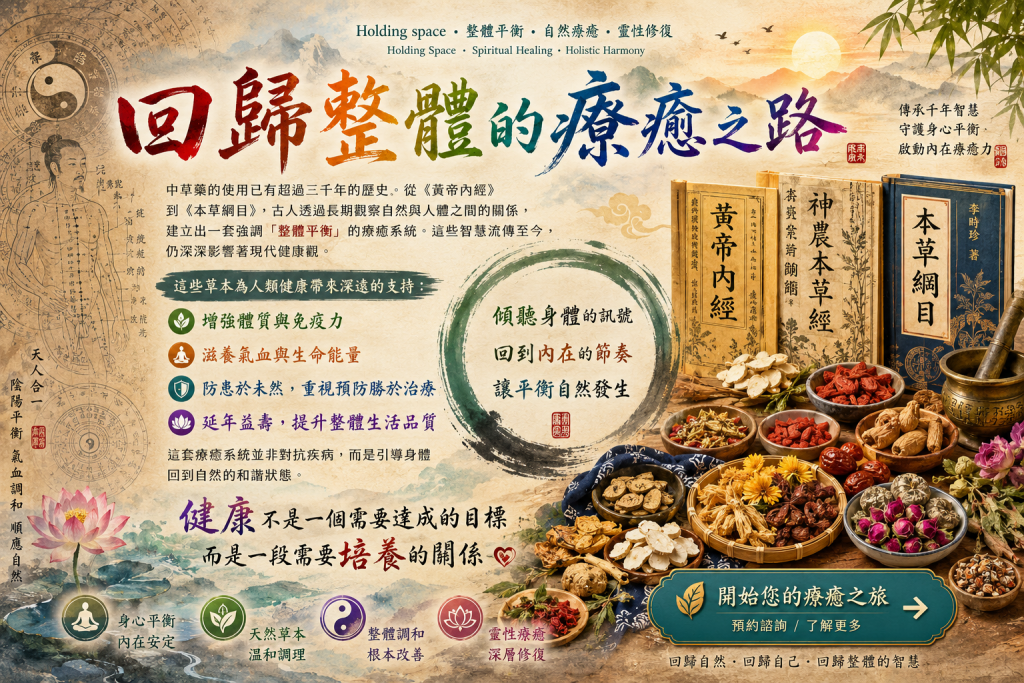
在人們尋求健康的過程中,常會渴望找到一個單一的原因與解方。然而,無論是古代智慧還是現代醫學,都指向同一個事實:人體是一個相互連動的系統,真正的修復來自整合,而非極端。 中醫經典如《黃帝內經》與《本草綱目》,以不同角度描述身體的失衡狀態,例如氣滯、血瘀、熱毒與臟腑失調。這些詞彙並非抽象的標籤,而是對身體運作失去協調的觀察。 它們不是讓人認同的「身份」,而是可以被調整的「狀態」。
由失衡到整合:一條透過內外協調回歸健康的實踐之路 Read More »
在身體的細微變化之中,常隱含著訊號。「晨起口苦」便是其中之一。 它不必被過度解讀為神秘的轉化,也無需賦予過多象徵意義。多數情況下,它只是身體在提醒:某些節律,正在偏離平衡。
口苦的訊號:從內在失衡到日常調和的回歸之道 Read More »
There is a common feeling that something essential has been forgotten. Not in the sense of memory—but in the sense of orientation. A quiet knowing that life could be lived with more clarity, more ease, and less inner friction. This is often described as “remembrance.” Yet what is being remembered is not hidden or distant.
The Quiet Return: Remembering How to Move Through Life with Clarity and Ease Read More »